Sinterklaas with His Book: A Designer's Review for Business Use
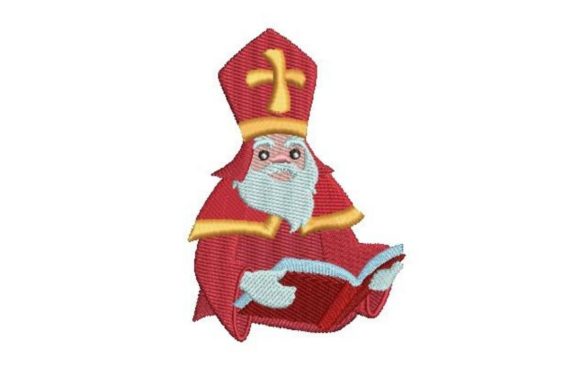
As an experienced embroidery designer who has spent years refining digital assets for commercial applications, I approach every new file with a critical eye. When evaluating Sinterklaas with His Book, I am not just looking at a cute holiday character; I am assessing its viability as a core component of small business merchandise and branded patches. The description promises a "cute embroidery" suitable for celebrations, noting the figure is also known as Saint Nicholas. While this cultural connection is strong, the true test lies in how the design translates from a screen to a physical product on a cap, tote bag, or apron.
This review focuses on the practical application of Sinterklaas with His Book for Etsy sellers, boutique owners, apparel decorators, and creative studios. We will explore how this machine embroidery design functions as a brand asset, where it shines, and where caution is required to maintain professional standards.
First Impressions: Personality and Brand Fit
The title Sinterklaas with His Book immediately evokes a sense of tradition, warmth, and storytelling. For a bakery, a local café, or a handmade shop, this design offers a distinct visual personality that feels both classic and playful. It is not merely decorative; it carries a narrative weight that can enhance customer engagement during the holiday season.
In terms of visual style, the design appears friendly and approachable. This makes it an excellent candidate for businesses aiming to project a welcoming atmosphere. However, for brands targeting a more minimalist or ultra-modern aesthetic, the traditional nature of the figure might require careful integration. The key question is whether this design aligns with your existing brand identity. If your logo relies on clean lines and geometric shapes, adding a detailed, character-based embroidery like this could create visual dissonance unless used as a seasonal accent rather than a primary logo.
Real-World Application: From Patches to Product Labels
When considering Sinterklaas with His Book for actual production, the versatility is impressive. The mention of multiple embroidery file formats suggests flexibility across different machines, which is crucial for scaling production. Here is how this design performs in specific business scenarios:
- Embroidered Patches: This design is ideal for creating sew-on or iron-on patches. Small boutiques often use these as unique brand markers on the back of jackets or the hem of tote bags. The character's distinct shape allows for a clean border, making it a standout accessory for customers.
- Staff Uniforms and Aprons: For bakeries or coffee shops, placing Sinterklaas with His Book on the chest of a work shirt or the bib of an apron adds a personal touch. It humanizes the staff and creates a memorable interaction point with customers.
- Cap Embroidery: A smaller iteration of the design works well on the front panel of caps. However, the curvature of the hat requires precise digitizing to ensure the book and facial features do not distort.
- Tote Bag Design: As a larger focal point on canvas totes, the design can serve as a statement piece. It transforms a standard utility item into a collectible gift, increasing the perceived value of the product.
- Product Packaging Accents: Many craft businesses now offer custom labels. Using this design as a hang tag or a patch on a gift box elevates the unboxing experience, signaling quality and attention to detail.
The ability to use this as a custom apparel element or a standalone embroidered patch makes it a versatile tool for small business merch creators looking to diversify their inventory.
Critical Considerations and Limitations
While the potential is high, there are specific areas where Sinterklaas with His Book requires careful handling. As a designer, I always advise clients to avoid overuse in contexts where clarity is paramount.
Size Constraints: If you plan to shrink this design down to a tiny size for a button or a small label, you risk losing detail. The book held by the figure may become indistinguishable if the stitch count is too low or the output size is too small. Always test the design at 100% intended size before committing to bulk orders.
Fabric and Surface Challenges: Embroidering on dark uniforms or textured fabrics like heavy denim or fleece can be tricky. The thread colors must have sufficient contrast against the background fabric to ensure the design pops. On curved surfaces like caps, the density of the stitches must be managed carefully to prevent puckering, which can ruin the crispness of the outlines.
Stitch Density and Durability: Designs with intricate details often have higher stitch densities. While this adds texture, it can make the fabric stiff. For items that need frequent washing, such as work shirts or aprons, excessive density can lead to wear and tear on the stitches. Ensure the stabilizer chosen matches the fabric weight to support the design without distorting the material.
Impact on Brand Identity and Customer Trust
A well-executed embroidery project does more than decorate; it builds trust. High-quality stitching on a handmade product signals to the buyer that care was taken in the creation process. When Sinterklaas with His Book is applied correctly, it reinforces a brand image of warmth, tradition, and craftsmanship.
Conversely, a poorly executed design—characterized by loose threads, misaligned registration, or low-resolution stitching—can damage brand identity. Customers associate the quality of the embroidery with the quality of the goods inside. Therefore, using a professional-grade digital embroidery file is essential. The design must look consistent across all products, whether it is on a $5 tote bag or a premium leather patch.
This consistency helps in product recognition. If customers see the same high-quality Sinterklaas motif on your social media, your website mockups, and your physical packaging, it creates a cohesive visual language that drives repeat business.
Practical Designer Notes for Production
Before launching any campaign featuring Sinterklaas with His Book, follow these essential steps to ensure a flawless finished product:
- Test in Black and White: Convert the design to grayscale first. This helps verify that the contrast between the light and dark elements is sufficient for visibility, regardless of the thread colors chosen.
- Check Stitch Density: Review the file to ensure the density is appropriate for the fabric type. Too much density on thin fabric will cause pulling; too little on thick fabric will result in poor coverage.
- Verify Hoop Size: Confirm that the hoop size accommodates the full design dimensions without cutting off edges. Some designs require multi-hoop setups, which increases production time.
- Inspect Spacing: Check the spacing around the text and the book. Tight spacing can cause threads to merge, blurring the definition of the character.
- Create a Printable Mockup: Before ordering materials, generate a realistic printable mockup showing the design on your specific product (e.g., a white apron or a navy cap). This allows for client approval and prevents costly mistakes.
- Confirm Commercial Licensing: Crucially, verify the license terms associated with the embroidery file. Ensure you have the right to sell products bearing this design commercially. Many files are restricted to personal use only.
- Thread Color Contrast: Select thread colors that complement your brand palette but stand out against the fabric. Standard black thread on dark fabric often fails; consider using metallic or contrasting neutral tones.
Final Verdict
Sinterklaas with His Book is a compelling choice for businesses looking to add a touch of festive charm to their Holidays collection. Its potential as a tote bag design, cap embroidery, or apron embroidery is significant, provided the technical execution is sound. By paying attention to fabric selection, stabilizer usage, and licensing, you can transform this cute character into a powerful branding tool that resonates with customers and enhances the perceived value of your finished product.
For designers and merchants alike, the key is to treat this not just as a seasonal decoration, but as a strategic asset in your design assets library. With proper preparation, Sinterklaas with His Book can help elevate your commercial embroidery projects to a professional standard that sets your brand apart.