Love Pumpkin Spice: A Designer's Review for Small Business Merch
As an experienced embroidery designer who has spent years crafting digital assets for boutique brands, I know that selecting the right machine embroidery design is about more than just aesthetics. It is a strategic decision that impacts production costs, brand perception, and customer satisfaction. Recently, I evaluated the "Love Pumpkin Spice" design to determine its viability for commercial use in small business merchandise, branded patches, and custom apparel. This review focuses on how this design performs when moved from the hoop to real-world products like aprons, caps, and tote bags.
First Impressions: Personality and Visual Appeal
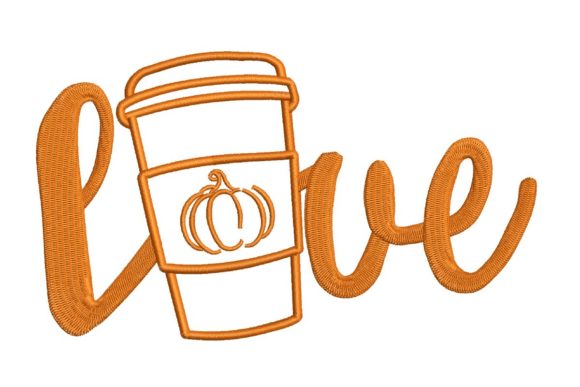
The title "Love Pumpkin Spice" immediately suggests a warm, inviting, and seasonal personality. In the world of embroidery files, names often dictate the vibe before a single stitch is placed. Based on the description provided—that it is fun, easy to stitch, elegant, and gorgeous—this design appears to strike a balance between rustic charm and professional polish. For a small business owner, particularly those in the food or lifestyle sectors, this duality is crucial. It feels friendly enough for a local bakery but elegant enough for a high-end florist's promotional items.
The phrase "Love Pumpkin Spice" evokes feelings of autumn comfort, making it a natural fit for the Thanksgiving category. However, its versatility extends beyond just the holiday season. The design's potential to look "gorgeous on any fabric" suggests a clean layout with balanced stitch density. If the designer has managed to keep the file simple yet detailed, it will translate well across various materials, from soft cotton tees to structured denim jackets. The visual promise here is one of approachable professionalism, a key asset for handmade brands looking to elevate their product line.
Real-World Application for Small Business Merch
When evaluating "Love Pumpkin Spice" for actual production, I envision several high-value applications for small businesses. Let's imagine a scenario where a local café wants to launch a fall collection. This design could serve as the centerpiece for a staff uniform. Imagine embroidered on a dark navy chef's jacket; the contrast would be striking, signaling warmth and hospitality to customers.
Beyond uniforms, this design is ideal for creating branded embroidered patches. Patches are a staple for creative studios and craft businesses because they can be easily attached to multiple items without re-hooping. A small patch featuring "Love Pumpkin Spice" could be sewn onto the pocket of a work shirt, the strap of a tote bag, or even the back of a baseball cap. For Etsy sellers and merch creators, these patches offer a low-cost way to add perceived value to a product line. They act as tangible markers of quality and attention to detail.
Consider also the utility aspect. For a boutique selling kitchenware or home goods, this design works beautifully on apron embroidery projects. An apron featuring this motif serves as both a functional garment and a walking advertisement for the brand. Similarly, for pet brands or florists, a tote bag design featuring this text could turn a simple shopping bag into a stylish accessory that customers want to carry around town, effectively providing free marketing every time they walk down the street.
Strategic Considerations and Potential Pitfalls
While the design sounds promising, an experienced designer knows that context is everything. There are specific scenarios where "Love Pumpkin Spice" requires careful handling to ensure the final product remains professional. One major consideration is the size of the design relative to the application. If you intend to create a tiny chest logo accent or a miniature patch, the text must remain legible. If the lettering becomes too small, the "fun" personality can quickly turn into a blurry mess that damages brand identity.
Curved surfaces, such as the front of a cap, present another challenge. Embroidering flat text on a curved surface requires precise digitizing to prevent distortion. If the design was not created with curvature in mind, the letters might stretch or bunch up, leading to a cheap appearance. Additionally, high stitch density can be problematic if the underlying fabric is textured or if the item undergoes frequent washing. Dense stitches can cause puckering on lightweight fabrics or feel stiff and uncomfortable on garments meant for daily wear.
Dark uniforms pose a specific technical hurdle. Unless the design includes a substantial underlay or background fill, light-colored thread may not pop against a black or navy background. This is where thread color selection becomes critical. A designer must ensure that the chosen colors provide sufficient contrast to maintain the elegance promised in the product description. Ignoring these factors can result in a finished product that looks amateurish rather than premium.
Impact on Brand Identity and Customer Trust
In the competitive landscape of handmade products and small business merch, visual consistency is paramount. Customers often judge the quality of a product by the quality of its branding. A well-executed "Love Pumpkin Spice" design signals that the business cares about details. It suggests that the brand values craftsmanship and is willing to invest in high-quality assets. This directly influences customer trust and recognition.
Conversely, a poorly executed design can erode confidence. If the stitching is uneven, the thread colors clash, or the text is illegible, it creates a disconnect between the brand's promise and the reality. For a bakery or a craft studio, the goal is to create a cohesive experience. Using a versatile design like this allows businesses to maintain a consistent visual language across different touchpoints—from the apron worn by the barista to the tote bag given to a loyal customer. This consistency reinforces the idea that the brand is established and reliable.
Practical Notes for the Professional Embroiderer
Before committing to a full production run, there are essential steps every designer and business owner should take. First, always test the design in black and white first. This helps verify that the shape and spacing hold up without relying on color to mask structural issues. Second, check if the design works at your intended small patch size. Many designs look great large but fail miserably when scaled down.
Review thread color contrast carefully. Ensure that the selected threads will stand out against your target fabric texture. Inspect the spacing within the design; tight kerning can lead to thread breaks, while loose spacing can look sloppy. Confirm the hoop size required for the project to avoid unnecessary trimming or shifting during the stitch-out process.
It is also vital to test on real fabric. Digital mockups can be deceiving; seeing the design stitched on the actual material reveals how the stabilizer interacts with the fabric and how the final texture feels. Create a printable mockup for client approval before mass production to ensure everyone is aligned on the vision. Finally, compare this design beside other design assets in your library to ensure it fits the overall aesthetic. Most importantly, confirm commercial licensing before using this digital embroidery file for any business purposes. Without proper rights, you risk legal complications when selling branded goods.
"Love Pumpkin Spice" offers a compelling option for those seeking a blend of seasonal cheer and professional polish. By understanding its strengths and limitations, small business owners can leverage this design to enhance their product lines, build stronger brand connections, and deliver exceptional quality to their customers. Whether used for a Thanksgiving event, a seasonal drop, or year-round branding, the key lies in thoughtful execution and rigorous testing.