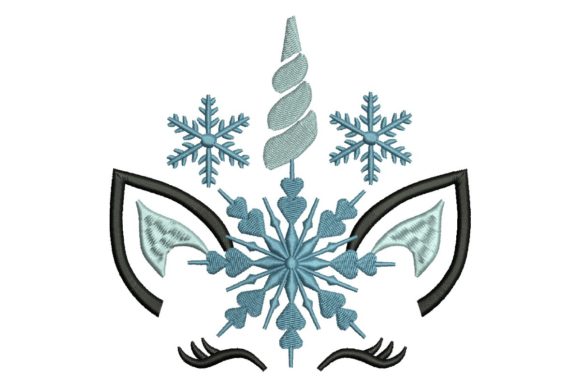
Winter Christmas Unicorn Design Review
As an experienced embroidery designer who has spent years refining designs for commercial use, I approach every new digital file with a critical eye. When evaluating Winter Christmas Unicorn, my primary focus is not just on the aesthetic appeal of the unicorn motif, but on its viability as a revenue-generating asset for small businesses. This design promises to be fun and easy to stitch while delivering an elegant finish, but does it hold up under the scrutiny of mass production and branded merchandise? In this review, I will analyze how this machine embroidery design performs when applied to real-world business applications like patches, uniforms, and custom apparel.
First Impressions: Balancing Playfulness and Professionalism
The title Winter Christmas Unicorn immediately suggests a festive, whimsical theme that leans heavily into holiday cheer. From a brand identity perspective, this design feels friendly, playful, and slightly rustic yet modern. It avoids the overly corporate look often found in generic clipart, offering instead a handmade product vibe that resonates well with boutique shoppers and Etsy sellers. The description highlights that it looks "elegant and gorgeous," which is a crucial selling point for businesses aiming to elevate their perceived value.
For a creative studio or a local bakery looking to create seasonal gifts, this design offers a unique visual personality. It strikes a balance between being cute enough for children's items and sophisticated enough for adult-oriented merchandise. However, the "winter" element implies a specific color palette—likely whites, silvers, blues, or deep reds—that must be carefully managed against the fabric texture to maintain that elegance. If executed correctly, Winter Christmas Unicorn can serve as a premium accent rather than a cheap decoration.
Real-World Application for Small Business Merch
The true test of any embroidery file lies in its versatility across different product categories. Imagine a small café owner wanting to launch a holiday line of tote bags and aprons. Winter Christmas Unicorn could function beautifully as a chest logo accent on work shirts, providing a touch of personality without overwhelming the staff uniform. The design's "fun and easy to stitch" nature suggests it should have manageable complexity, reducing production time and thread waste—a vital metric for high-volume orders.
For pet brands or florists, this design could be the perfect addition to branded product labels or gift packaging accents. An embroidered patch featuring this motif would add significant tactile value to a customer's experience. When stitched onto a felt backing and sewn onto a leather jacket or a canvas tote bag, it transforms a standard item into a collectible piece. Similarly, for cap embroidery, the design could sit perfectly on the front panel or the side, acting as a subtle nod to the season that customers love to share on social media.
In the context of event merch for craft fairs or holiday markets, having a cohesive set of assets is essential. Winter Christmas Unicorn can serve as a central theme for a collection of items, ensuring visual consistency across all touchpoints. Whether used on a limited-edition sweater or a simple paper tag attached to a handmade candle, the design reinforces the brand's commitment to quality and creativity.
Strategic Limitations and Risk Management
While the potential is high, there are areas where Winter Christmas Unicorn requires careful consideration before committing to a full production run. Small patch sizes are a common pitfall; if the design contains intricate details or tiny lettering, shrinking it down for a lapel pin or a small wristband may result in a muddy, indistinct image. High stitch density can also cause issues on delicate fabrics or curved surfaces like caps, leading to puckering or distortion.
Dark uniforms present another challenge. If the base fabric is black or navy, the lighter threads typically associated with a winter theme might lack the necessary contrast unless specific underlay techniques are used. Furthermore, items that require frequent washing, such as kitchen aprons or heavy-duty work shirts, need designs with robust construction. Detailed outlines and textured fabrics can sometimes hide minor flaws, but they can also exaggerate stitching errors if the tension is not perfectly calibrated.
Business owners must evaluate whether the design fits the durability requirements of their specific niche. For example, a permanent logo on a chef's coat demands a different level of resilience than a temporary promotional hat. Always inspect spacing and confirm hoop size compatibility to ensure the design remains crisp and professional over time.
Impact on Brand Identity and Customer Trust
High-quality embroidery is one of the most effective ways to build customer trust and recognition. A well-executed commercial embroidery project signals attention to detail and pride in craftsmanship. When a customer sees Winter Christmas Unicorn stitched neatly onto a tote bag or a product label, it elevates the perceived value of the entire brand. It suggests that the business cares about aesthetics and quality, which directly influences buyer engagement and repeat purchases.
Visual consistency is key to a strong brand identity. If your other design assets are clean and modern, introducing a whimsical unicorn design requires a strategic decision about where it fits in your visual narrative. Used correctly, it humanizes the brand and creates an emotional connection. Used poorly, it can appear disjointed. Therefore, comparing this design beside other assets and creating a printable mockup for client approval is a non-negotiable step in the process.
Essential Designer Notes for Production Success
To ensure Winter Christmas Unicorn delivers the promised results, follow these practical steps before launching your merchandise line. First, test the design in black and white to verify that the composition holds up without relying on color. Check if it works effectively at your intended small patch size; if details get lost, you may need to simplify the digitization or adjust the scale.
Review thread color contrast meticulously. The interplay between the thread colors and the fabric texture will determine the final look. Ensure you have the correct stabilizer for the material you are using, as this prevents shifting and maintains the integrity of the stitches. Confirm the hoop size matches your garment dimensions to avoid cropping important elements.
Finally, always test on the actual fabric you plan to sell. Digital mockups are helpful, but they cannot replicate the way light hits raised stitches or how the fabric drapes after washing. Verify commercial licensing terms to ensure you have the legal right to use the design on products for resale. By following these guidelines, you can transform a simple digital file into a profitable, high-quality component of your small business merch strategy.