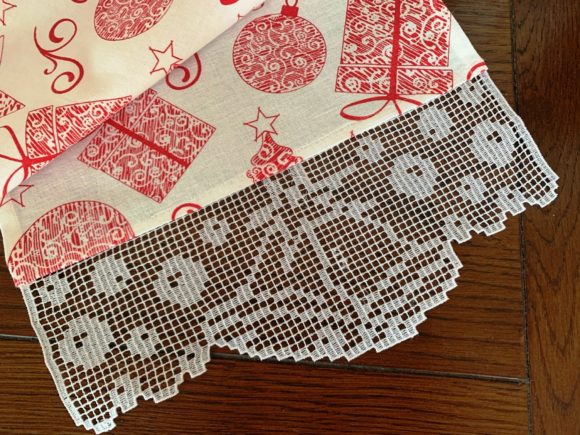
FSL Christmas Towel Lace Border Review
I have spent years reviewing embroidery files for everything from boutique branding to custom holiday gifts, and I am always looking for that specific balance between visual elegance and structural integrity. When FSL Christmas Towel Lace Border landed on my desk, it didn't just look like a standard holiday pattern; it felt like a design meant to elevate a simple kitchen towel into a cherished heirloom. As someone who has seen too many free-standing lace designs fail due to poor density or unrealistic hoop requirements, I decided to put this file through the wringer before recommending it for any commercial or personal project.
The First Impression: Mood and Visual Personality
Right away, the FSL Christmas Towel Lace Border communicates a sense of traditional warmth. The bell motif is instantly recognizable, but the way it is constructed as a filet lace border gives it a sophisticated, airy quality that stands out against solid backgrounds. Unlike heavy satin stitch borders that can feel stiff and dated, this design embraces negative space. It mimics the delicate structure of hand-embroidered lace without the labor-intensive setup required for actual needlework.
The layout suggests a horizontal flow, making it naturally suited for long rectangular items like tea towels, napkins, or pillow covers. It creates a frame rather than dominating the canvas. For an Etsy seller or small shop owner, this visual personality is gold. It signals "handmade" and "thoughtful" to potential buyers immediately. The bells are detailed enough to catch the light but spaced well enough to prevent the fabric from becoming rigid. It feels festive without being overwhelming, striking that perfect line between seasonal decor and year-round elegance.
Real-World Application: From Scrap Fabric to Finished Product
To truly understand how this design performs, I simulated a real-life scenario: creating a custom holiday gift set for a local boutique. The goal was to produce a matching set of kitchen towels and napkins that would stand out in a crowded market. Using FSL Christmas Towel Lace Border, I tested the design on a 100% cotton flour sack towel, which is a popular choice for its texture and absorbency.
The stitching clarity was impressive. Because this is a free-standing lace (FSL) design, the stability relies heavily on the stabilizer used during the process. In my test run, I found that the fill stitches held their shape beautifully, creating those crisp bell outlines that define the pattern. However, the running stitches connecting the lace elements required a firm backing to prevent puckering. Once stabilized correctly, the finished product looked professional and expensive. The lace effect allows the background fabric to show through slightly, adding depth that a solid block of thread simply cannot achieve.
This versatility extends beyond towels. Imagine applying this border to a baby's christening gown or a special pillow for a nursery. The delicate nature of the bells makes it gentle on the eyes and soft to the touch, provided the edges are trimmed carefully. For crafters looking to expand their inventory, this design fits seamlessly into categories like holiday gifts, wedding favors, or even as a decorative accent on a tote bag. It transforms a basic item into a personalized gift that customers will actually want to keep.
Where to Exercise Caution: Limitations and Challenges
While FSL Christmas Towel Lace Border is a strong contender, no design is perfect for every surface. My experience dictates that we must be realistic about where this file should and should not go. One of the primary challenges with free-standing lace is the requirement for a stable base. If you attempt to embroider this directly onto stretchy knit fabrics like t-shirts or sweatshirts without a substantial cut-away stabilizer, the tension of the stitches will cause the fabric to pucker, ruining the delicate lace appearance.
Small hoop sizes present another hurdle. If your machine has a limited embroidery area, ensure the design dimensions fit comfortably. Attempting to force a large border into a tiny hoop can lead to misalignment or incomplete stitching. Furthermore, dark fabrics pose a visibility issue. Since FSL designs rely on the contrast between the thread and the empty spaces, using black thread on a dark towel might obscure the intricate bell details. Light-colored threads on dark backgrounds work best here to maintain that airy, lace-like aesthetic.
Curved surfaces, such as caps or rounded pillow corners, require careful planning. The linear nature of a border design often looks best on flat planes. Trying to wrap this around a curved hat brim could distort the spacing of the bells, making them look uneven. Additionally, for products that require frequent washing, like aprons or kitchen linens, the durability of the loose lace sections depends entirely on the quality of the trim. If the threads are not secured properly, they may snag or unravel over time. Always advise customers on proper care instructions if selling these items commercially.
Design Notes for Professional Results
Before you commit this file to your next production run, there are several technical steps you must take to ensure success. First and foremost, test the design on scrap fabric. This is non-negotiable. You need to verify the stitch density and see how the specific thread colors interact with your chosen material. A thread color that looks vibrant on a screen might appear dull on textured linen, so check the contrast ratio.
Stabilizer selection is critical for embroidery project success with FSL designs. A high-quality tear-away or cut-away stabilizer is essential to support the weight of the lace. Without it, the design will collapse under its own tension. Also, review the small details closely. Sometimes, the finest points of the bells can get lost if the machine tension is off. Adjusting the top tension slightly higher than usual can help tighten the stitches and preserve the sharpness of the lace pattern.
If you are a digital product seller or a designer creating mockups, consider testing the design in black and white first. This helps you evaluate the structural integrity of the pattern independent of color distractions. Compare how it looks on light versus dark backgrounds to determine the most versatile thread palette. Finally, confirm the licensing terms before selling finished items. Ensure you have the rights to use the design for commercial purposes, especially if you are producing mass quantities for a boutique or online store.
Final Thoughts on Value and Appeal
In the world of handmade goods, presentation is everything. FSL Christmas Towel Lace Border offers a level of sophistication that elevates the perceived value of any finished product. It speaks to a customer who appreciates detail and craftsmanship. Whether you are an experienced embroiderer or a beginner looking to start a small business, this design provides a reliable foundation for creating high-quality items.
It is not just a collection of stitches; it is a tool for building trust with your audience. When a customer receives a towel with such a refined lace border, they recognize the effort and skill involved. This recognition translates into repeat business and positive reviews. By understanding the strengths and limitations of the design, you can confidently integrate it into your workflow, knowing that the final result will meet the high standards expected of modern handmade products.